
Defensible Compliance Series, Resource Center
Defensible FedRAMP Compliance:
Can Your Claims Hold Up?
 by: Michael Cardaci
May 29, 2026
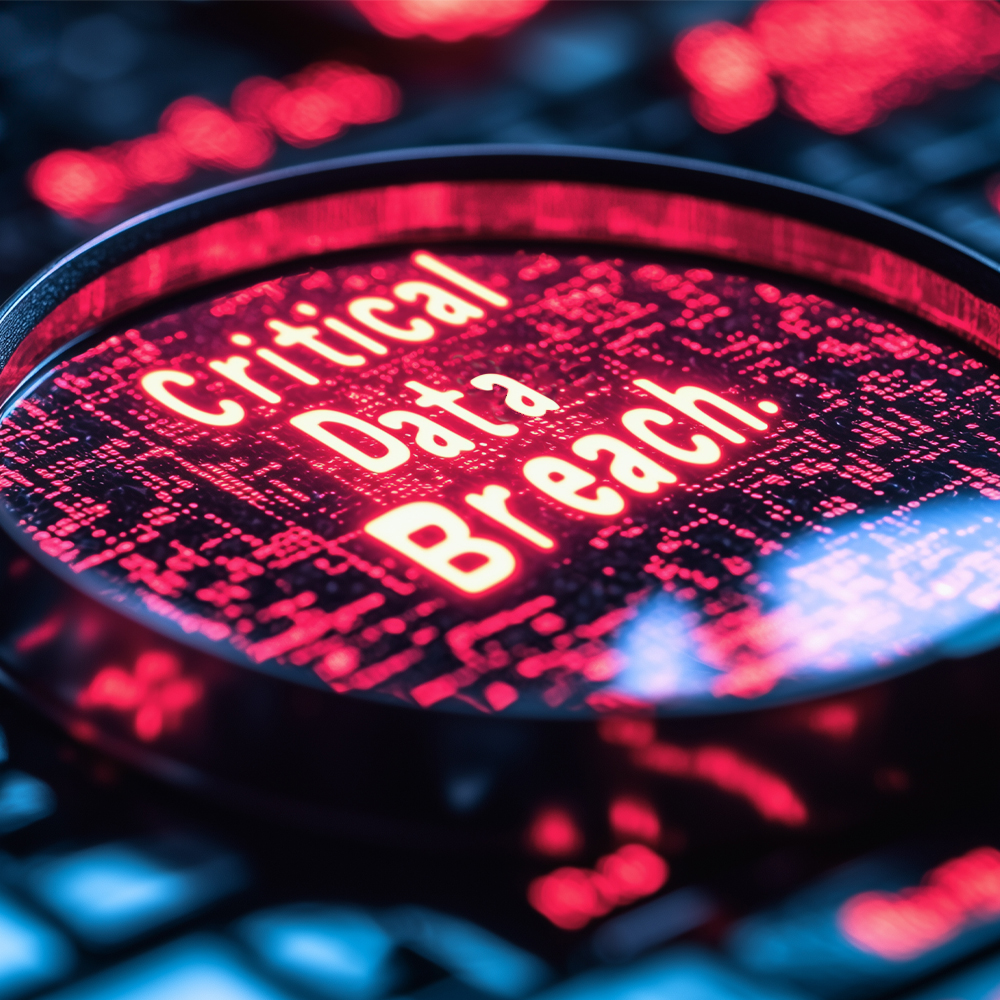
In the wake of recent DOJ cybersecurity enforcement actions, a clear message is emerging across the federal cloud community: compliance isn’t enough unless it can be defended. Defensible FedRAMP compliance now requires sustained evidence, governance, and independent validation across federal environments
Today’s expectations go beyond checklists, audits, or passing assessments. Across FedRAMP compliance, DoD IL4 compliance, DoD IL5 compliance, and CMMC, organizations are expected to ensure that their claims remain accurate, traceable, and supportable—long after authorization is granted. This is why many cloud service providers are turning to FedRAMP accelerators who can also manage your authorization (ATO)—not just to achieve authorization, but to sustain defensible FedRAMP compliance through structured oversight and Continuous Monitoring-as-a-Service (ConMon-a-a-S) that validates controls between formal assessments.
That shift is also reflected in initiatives like FedRAMP 20x, which are reshaping how organizations think about FedRAMP readiness—moving away from checkbox-driven compliance toward security-first validation. But forward-looking models don’t erase past representations or unresolved gaps. Claims made under prior frameworks still matter—and gaps left unaddressed have a way of resurfacing when scrutiny increases.
The Risk Isn’t Just Technical—It’s Representational
How do organizations with certifications still end up under scrutiny? It often comes down to this:
- Audits are point-in-time.
- Environments evolve.
- Documentation doesn't always keep up.
Across FedRAMP compliance, DoD IL4/IL5 environments, and CMMC programs, the challenge is not achieving compliance—it’s maintaining alignment between what is implemented, what is documented, and what is represented externally. This is where compliance support becomes critical—not to replace internal teams, but to ensure claims remain accurate, traceable, and defensible as the requirements and environments change.
Audits validate a moment in time—but systems and organizations don’t stand still. Continuous monitoring services are meant to validate that controls, evidence, and documentation remain aligned between assessments. Those responsibilities are distributed across security, engineering, compliance, and legal teams and are constantly evolving. Without structured oversight and ongoing validation to keep those functions aligned, gaps form between assessments.
Over time, what’s implemented and what’s documented drift apart—and that drift becomes risk.
Misalignment Happens in Complex Organizations—Not Just Startups
There’s a myth that compliance risk primarily exists in small or early-stage vendors. But recent enforcement cases increasingly involve:
- Large integrators
- Platform providers
- Primes and subs
- Agencies relying on outdated attestations
More complexity creates more opportunities for assumptions to go unchallenged. When no one is accountable for revalidating claims, exposure builds quietly over time.
The central question becomes:
Can we still trust the compliance claims we’ve been relying on?
Defensibility > Intent
Most misstatements aren’t malicious—they’re sometimes optimistic and/or based on outdated or invalidated information. Teams under pressure may believe they are compliant “enough.” But belief doesn’t hold up under audit, investigation, or legal scrutiny.
If your compliance claims can’t be backed by evidence, they aren’t defensible.
Independent Oversight = Compliance Maturity
As scrutiny increases, more organizations are adopting independent compliance and governance functions that:
- Validate internal claims before they become external representations
- Translate technical controls into defensible, auditable evidence
- Establish structured processes and credible remediation pathsfor maintaining alignment over time
- Prevent optimism from becoming exposure
This isn’t about distrust—it’s about governance maturity in environments where the stakes continue to rise.
Final Word: The New Compliance Standard
Federal cloud compliance expectations are evolving. Defensible compliance is now the minimum standard—not an optional best practice. Organizations that build maturity around verification, evidence, and governance will be positioned to protect their mission, contracts, and reputation—before issues are forced into the open. Whether through a FedRAMP accelerator framework or a Continuous Monitoring-as-a-Service (ConMon-a-a-S) support model, maintaining compliance across FedRAMP, DoD IL4/IL5, and CMMC environments now depends on independent validation, evidence-based governance, and proactive risk management—not assumptions.
Table of contents
- Defensible FedRAMP Compliance:
- Can Your Claims Hold Up?
- The Risk Isn’t Just Technical—It’s Representational
- Misalignment Happens in Complex Organizations—Not Just Startups
- The central question becomes:
- Can we still trust the compliance claims we’ve been relying on?
- Defensibility > Intent
- Independent Oversight = Compliance Maturity
- Final Word: The New Compliance Standard











- Claims
- CMMC defensible compliance
- compliance
- Continuous monitoring
- Defensible
- DoD IL4
- DoD IL5
- DOJ
- DOJ cybersecurity enforcement
- Evidence-based compliance
- Federal cloud compliance
- FedRAMP 20x
- FedRAMP accelerator
- FedRAMP defensibility
- Independent
- Independent compliance validation
- Maintaining FedRAMP authorization
- Readiness
- Validation